Every Executive Sees the Same Dashboards. Not Every Executive Takes Away the Same Understanding.
The difference is judgment.
Joe Marroquín is a senior operating executive with more than twenty-five years leading organizations through growth, transformation, modernization, mergers and acquisitions, and strategic change. Founding CISO of Vestis (NYSE: VSTS) and former CISO of a DHS-designated critical infrastructure provider serving Disney, HBO, BBC, the NFL, NASA, and the U.S. Department of Defense.
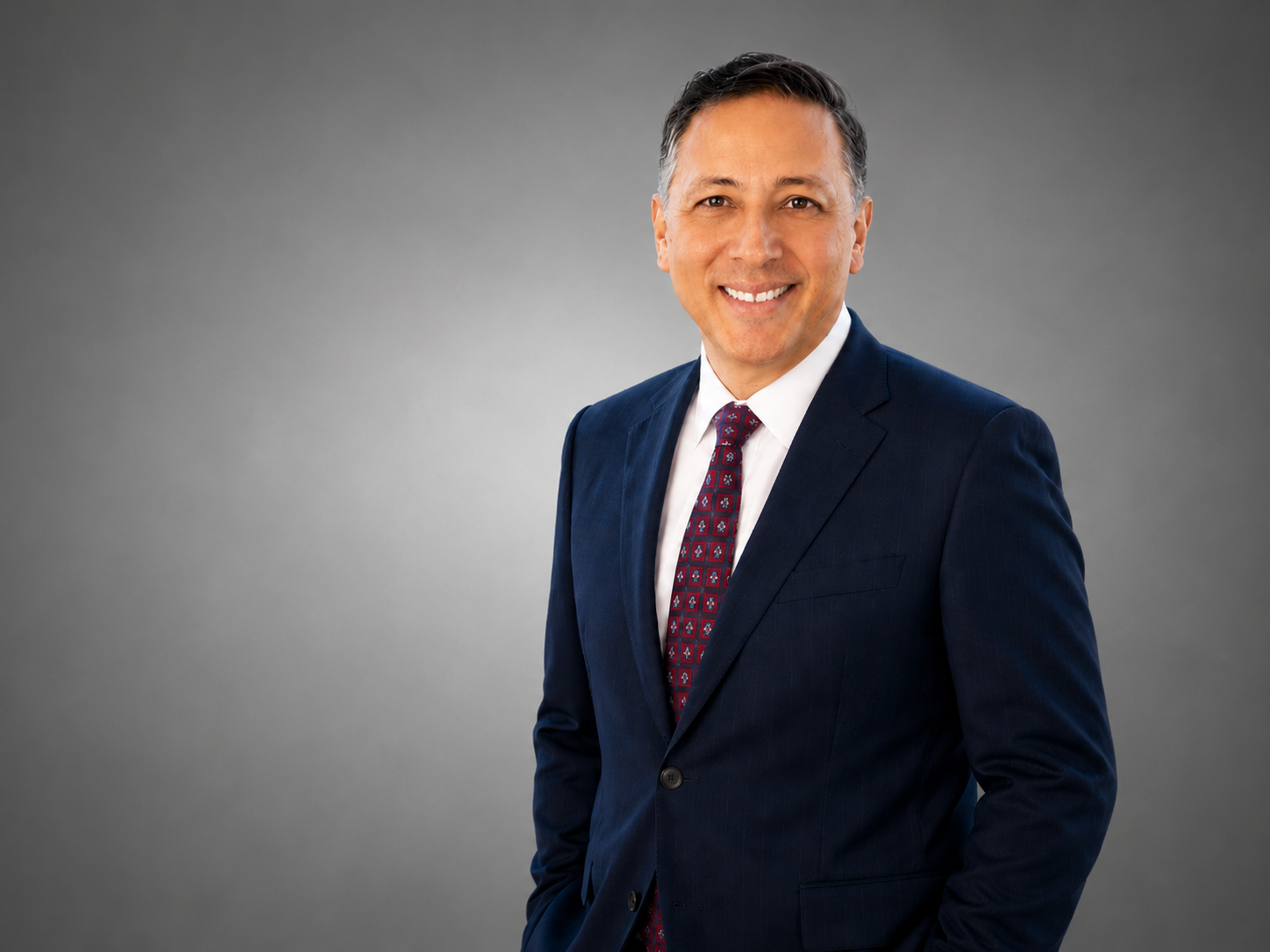
Joe Marroquín
Senior Operating Executive
NYSE
Founding CISO, Vestis (VSTS)
Private Equity
CISO, Encompass Digital Media
Critical Infrastructure
DHS & UK CNI Designated
Clients Served
Disney · HBO · BBC · NFL · NASA · DoD
About
A career built where the decisions carry consequences.
Joe Marroquín is a senior operating executive with more than twenty-five years of experience helping some of the world's largest and most complex organizations execute strategy, modernize operations, strengthen governance, and navigate transformational change. Throughout his career, he has served as a trusted advisor to CEOs, Boards of Directors, executive leadership teams, investors, government agencies, and private equity sponsors, leading initiatives spanning enterprise operations, technology, cybersecurity, governance, mergers and acquisitions, organizational transformation, and operational resilience. His executive leadership experience includes C-suite roles within public companies and private equity-backed enterprises, including Vestis, a $3 billion NYSE-listed company, as well as leadership positions with IBM, Accenture, Fujitsu, Ernst & Young, and other global organizations.
Mr. Marroquín's career has been distinguished by the breadth and scale of the organizations that have sought his expertise. He has advised and supported Fortune 100, Fortune 500, and Global 50 organizations across the energy, telecommunications, financial services, manufacturing, media, healthcare, technology, and critical infrastructure sectors, including organizations such as Shell, Sprint/Nextel, Capital One, Mercedes-Benz, The Walt Disney Company, HBO, Duke Energy, Southern Company, California ISO, PJM Interconnection, DuPont, and numerous other multinational enterprises. Having led business initiatives throughout North America, Europe, Asia, and Latin America — and traveled to more than fifty countries — he brings a global perspective shaped by international business, multinational operations, cross-cultural leadership, and firsthand experience navigating complex regulatory, operational, and geopolitical environments.
A former United States Naval Officer and combat veteran, Mr. Marroquín combines military leadership with decades of executive operating experience helping organizations whose operations underpin national security, economic stability, and critical infrastructure. His professional interests include organizational leadership, enterprise strategy, national security, energy security, artificial intelligence, and critical infrastructure protection. He continues to advise executive leadership teams on building resilient, high-performing organizations by aligning strategy, people, operations, governance, and technology around a common mission.
Capabilities
Six disciplines, one operating philosophy.
Programs that endure are built on judgment, not jargon. Each engagement draws from a set of disciplines honed across public companies, private equity, and critical infrastructure.
Cybersecurity & Resilience
Enterprise security programs designed for regulated, mission-critical environments.
Governance & Compliance
SOX, HIPAA, GDPR, PCI DSS, and SEC disclosure expertise across audits and regulators.
AI Governance
Pragmatic AI risk, oversight, and policy frameworks for boards and executive teams.
Public Company Readiness
Stand-up of technology, security, and compliance foundations for newly independent enterprises.
PE Transformation
Portfolio company modernization, separation, integration, and value-creation playbooks.
Board Advisory
Trusted counsel to boards, audit committees, investors, and executive leadership.
The Executive Judgment Model™
Information is common. Judgment is rare.
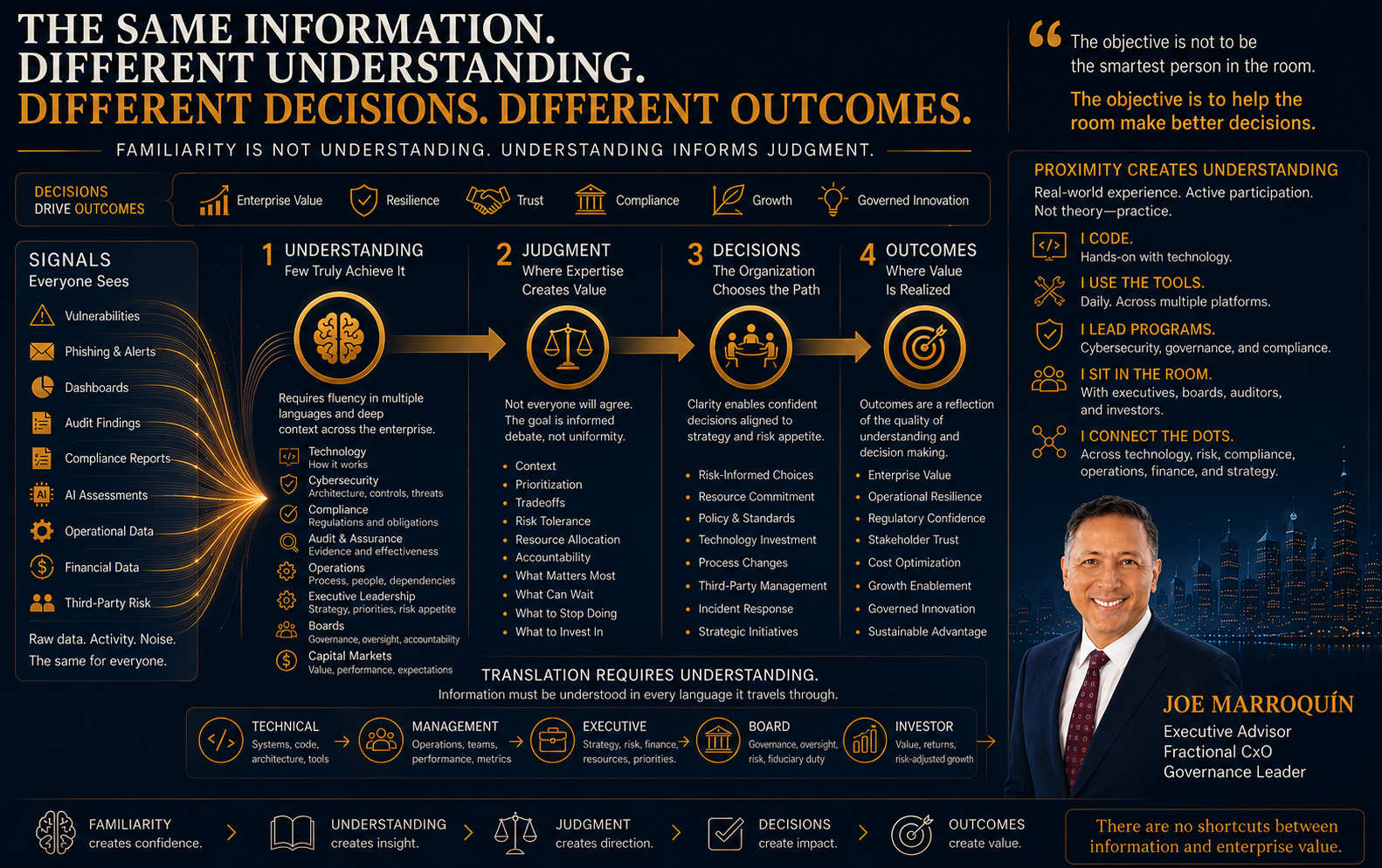
Every executive sees the same dashboards. Every auditor sees the same findings. Every regulator sees the same reports. Every consultant sees the same framework. The differentiator is judgment — informed by the intersection of disciplines and accountability.
- — Context
- — Accountability
- — Prioritization
- — Proportionality
- — Experience
- — Decision Making
Inputs
Seven disciplines
Technology · Cybersecurity · Governance & Compliance · Audit & Assurance · Business & Finance · Operations · Transformation.
Center
Informed judgment
Context, accountability, prioritization, proportionality, experience, and decision making — shaped by years at the table.
Outputs
Board-level outcomes
Strategic decisions and business outcomes: enterprise value protection, operational resilience, regulatory confidence, stakeholder trust, sustainable growth, and governed innovation.
"The objective is not to eliminate all risk. The objective is to make the right decisions for the organization."
Closing Statement
Translation Requires Understanding.
Effective leadership requires understanding the nuances of every language through which information flows: technology, cybersecurity, compliance, operations, governance, executive leadership, boards, and capital. We all know we need to get to the language the executives and boards and investors speak — but we need to understand technology to translate technology.
Customers helped · Three decades of practice
Organizations Joe has served.
A representative cross-section of public companies, private-equity portfolios, regulators, and critical infrastructure operators Joe has advised or led security and technology for over his career.
Vestis (NYSE: VSTS)
Encompass Digital Media
Fujitsu / Adaptigent
Digital Realty
IBM
Technisource
Accenture
Rare Medium (NYSE: RRR)
Ernst & Young
United States Navy
BP
Shell
Capital One
Ritz Carlton
BGE
PJM
CAISO
Duke Energy
Ameren
Mercedes Benz
Disney+
HBO MAX
BBC
CBS
NBC
ABC
NFL TV
NASA TV
U.S. Department of Defense
PwC
Capgemini
Sprint / Nextel
Celanese
Constellation Energy
How to engage
Three ways to work together.
From long-term operator roles to keynote sessions, every engagement is grounded in execution, accountability, and measurable outcomes.

Executive & Board Leadership
Select executive opportunities where long-term engagement, transformation, and sustained business impact are required.
Learn more
Advisory
Practical guidance grounded in execution and accountability for boards, CEOs, investors, and executive teams.
Learn more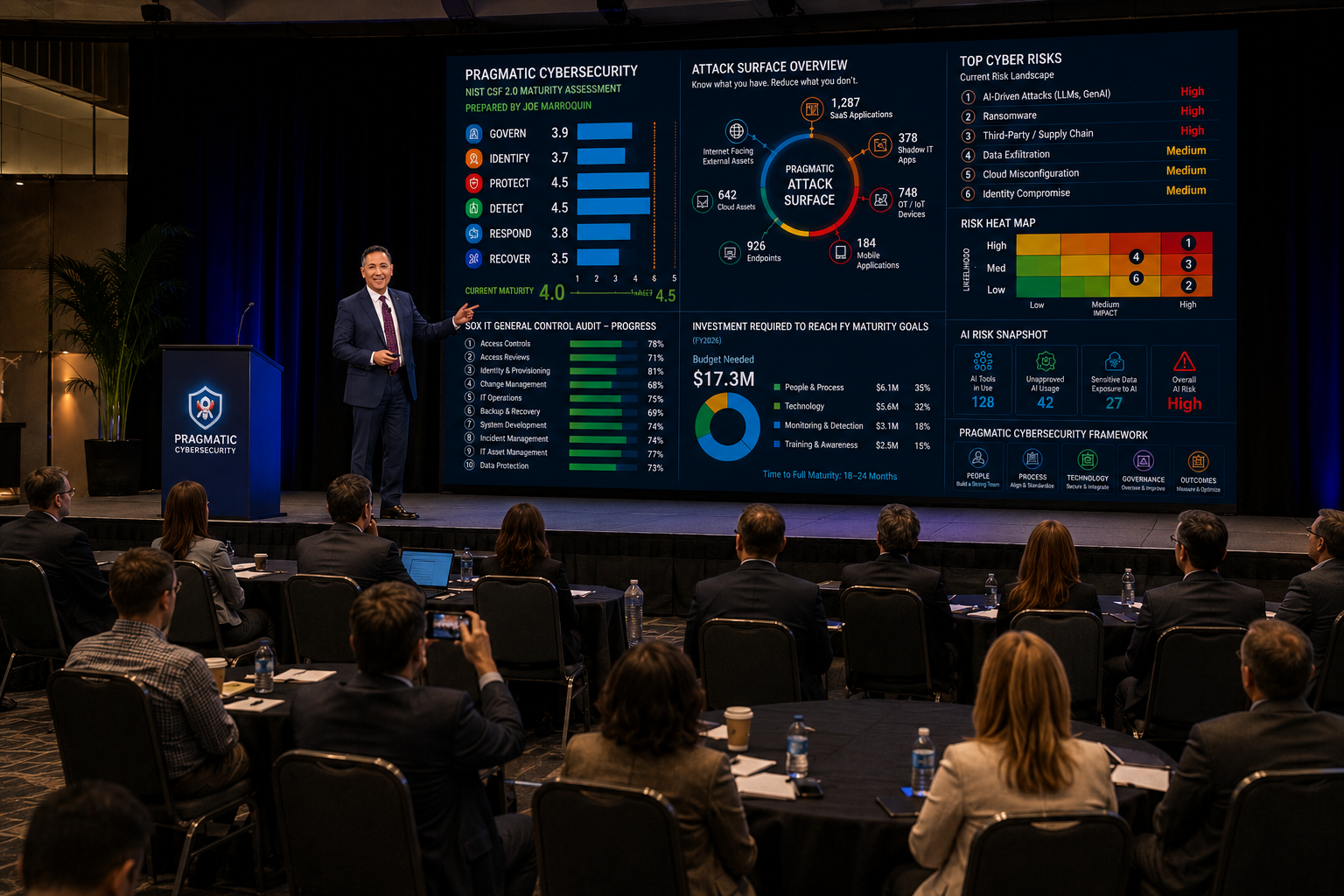
Speaking & Workshops
Honest, frameworks-first conversations on leadership, governance, technology, cybersecurity, and AI.
Learn morePublished Works
Books written for leaders who'd rather hear the truth.

With Grant Shih · Magnitude Consulting
Executive Points of View (EPoV)
Leadership Without the Platitudes
A practical lexicon for the realities leaders encounter every day — Organizational Wake, Character vs. Competence, Buying in the C-Suite, There Is No Win-Win.
Read overview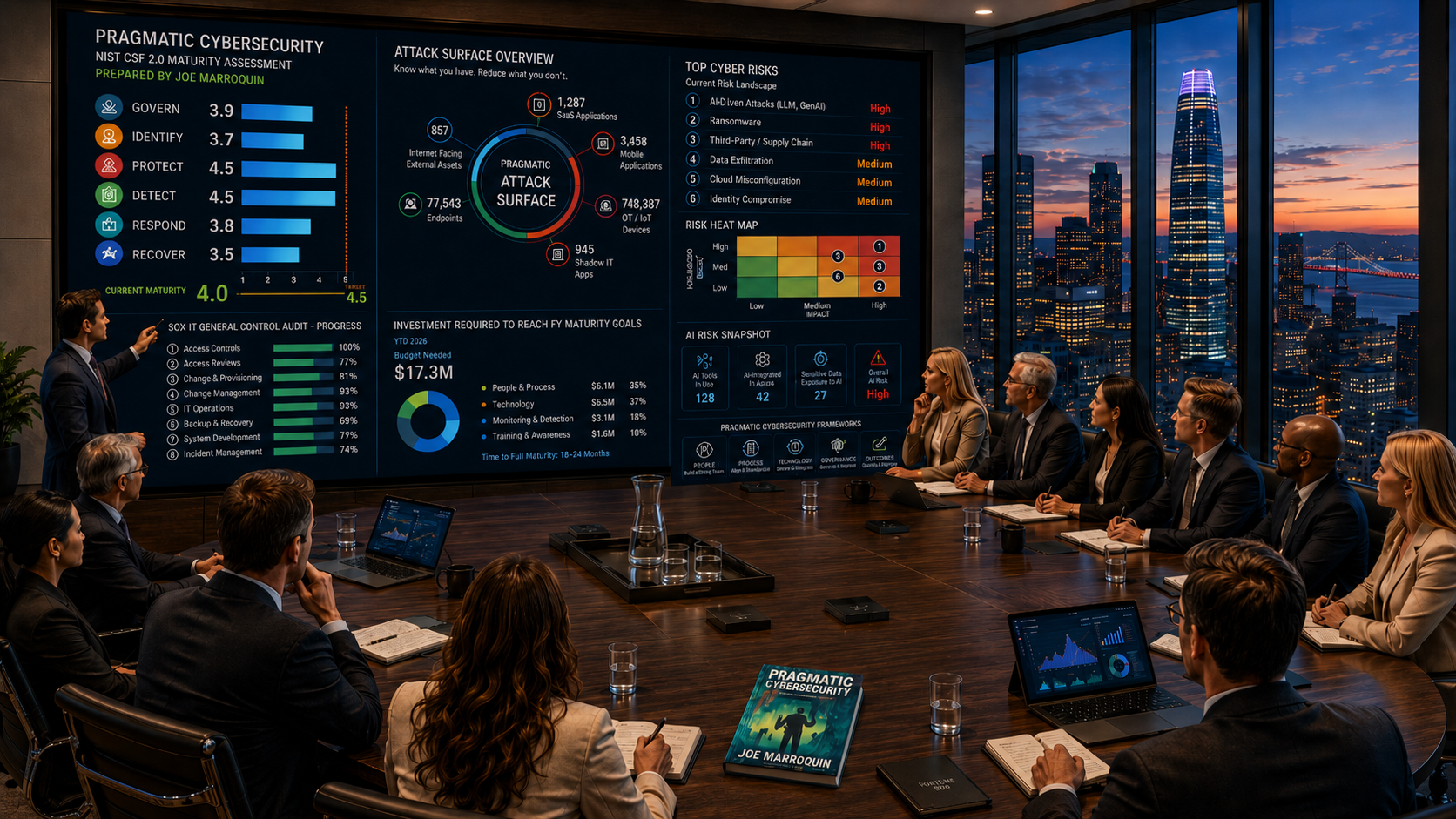
Two Decades of CISO Practice
Pragmatic Cybersecurity
Judgment Over Jargon
The human side of cybersecurity: leadership, governance, culture, financial stewardship, and the difficult decisions that define successful security programs.
Read overview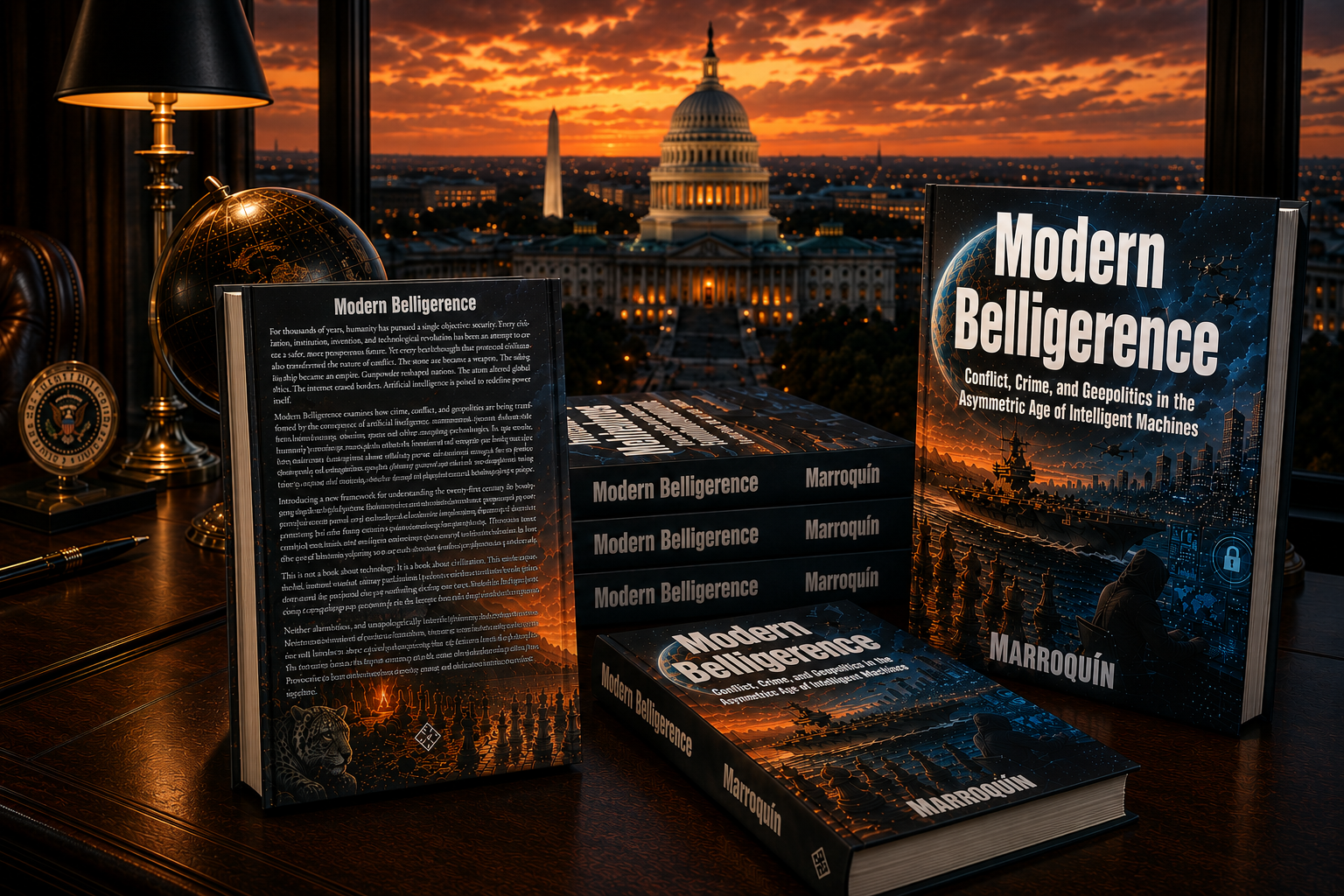
Forthcoming
Modern Belligerence
Conflict, Crime, and Geopolitics in the Asymmetric Age of Intelligent Machines
A new framework for understanding how AI, autonomous systems, cyber, biotech, robotics, and space are reshaping crime, conflict, and geopolitics in the twenty-first century.
Read overviewHave a board, investor, or executive challenge worth a real conversation?
Inquiries are reviewed personally. Share the context, the stakeholders, and the outcome you need — the rest follows from there.